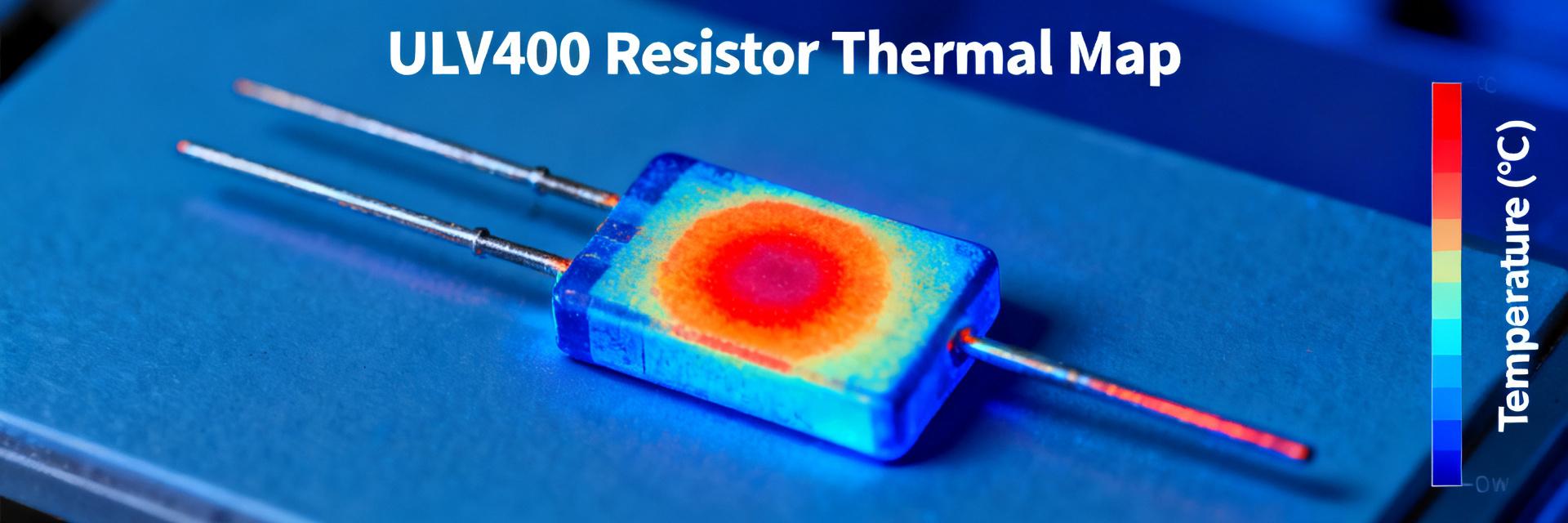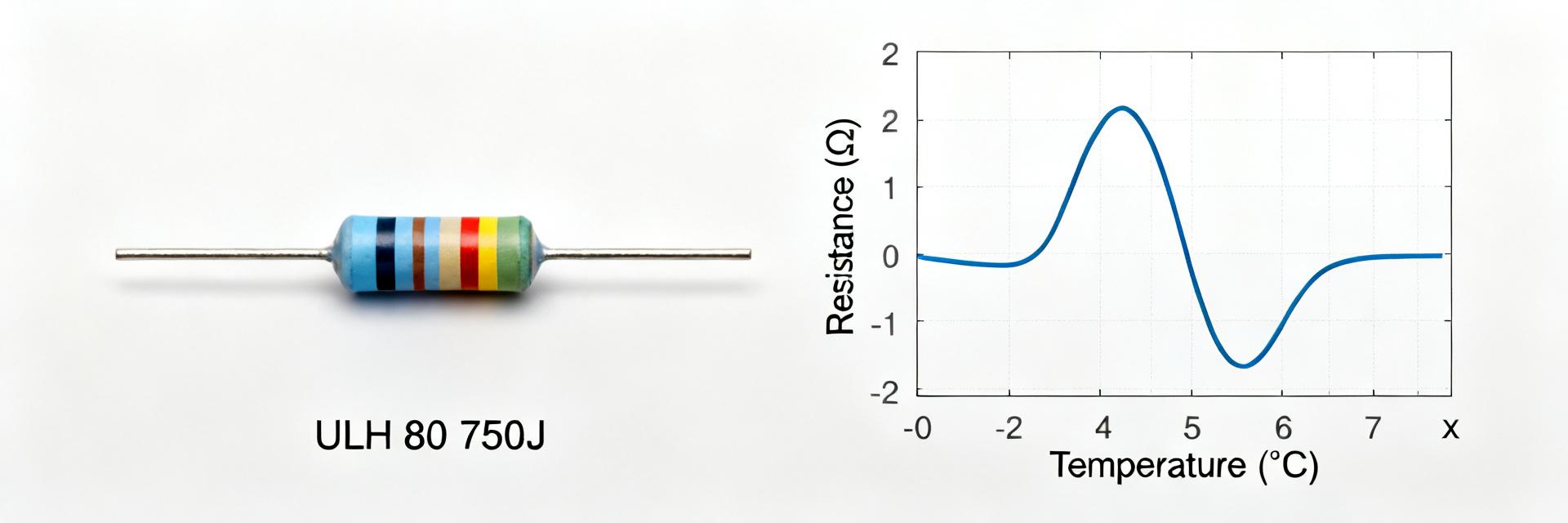
Data and measurements show that when evaluating the luminous efficacy and durability of luminaires, key parametersULV 400 100 J FL=1500provide a reproducible picture: light distribution, thermal performance, and optical losses all affect overall operational efficiency in retail spaces and corridors. The analytical approach is based on laboratory measurements and real-world operating scenarios.
The introduction is based on a comparative analysis of technical data sheets and practical tests: measurements of luminous flux, temperature profiles, and degradation coefficients under real-world conditions. This approach enables the identification of critical parameters for integrating the ULV 400 into the FL 1500 configuration and predicting the system's long-term performance.
1 — Context and Purpose of the ULV 400
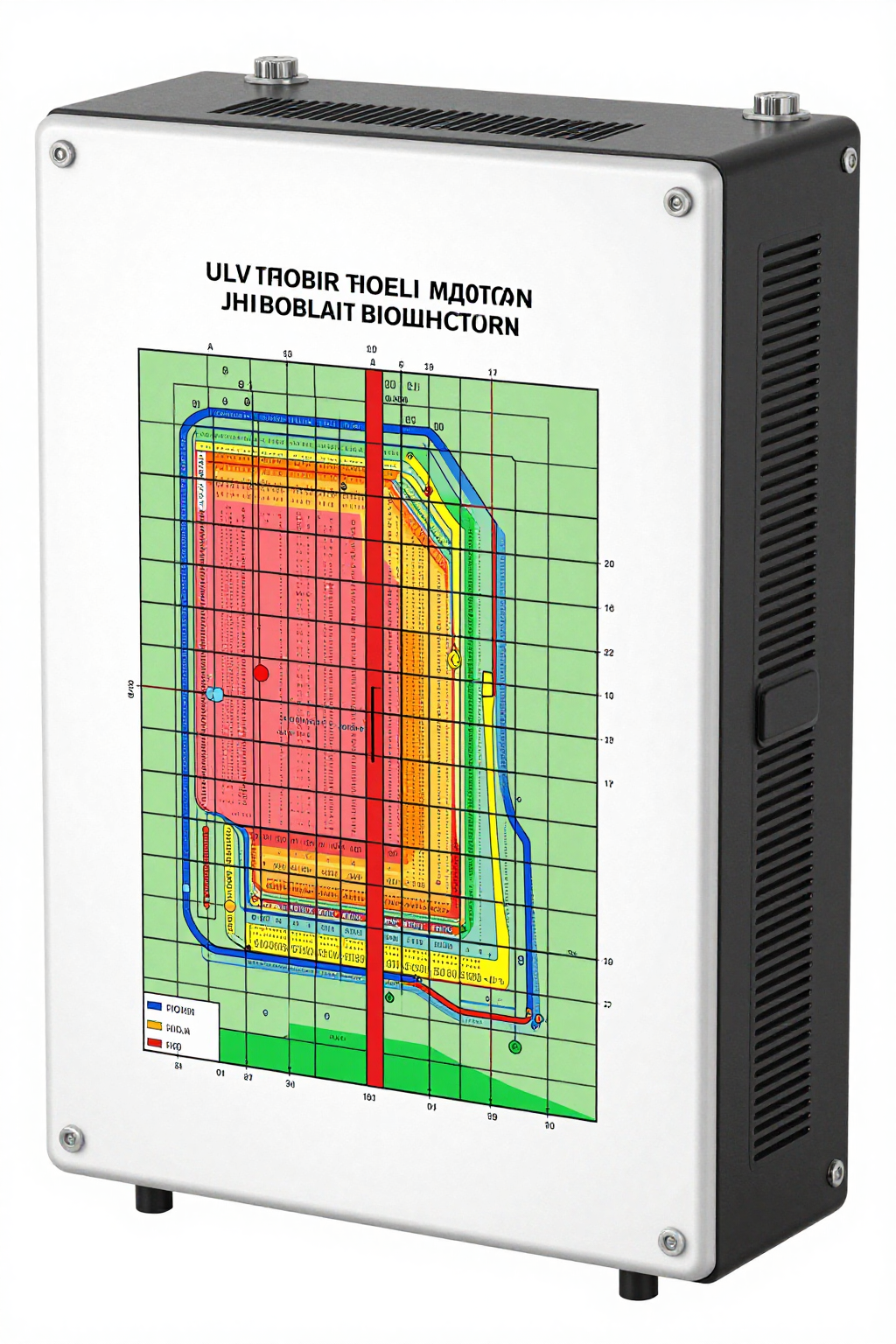
ULV 400 is presented as a functional component of a lighting system, designed to ensure proper light distribution and minimize losses. In the context of FL 1500, the parameters of ULV 400 determine the expected brightness, uniformity, and resistance to thermal stress during industrial operation.
1.1 — Brief Technical Specification
What is ULV 400: it is a modular system component responsible for stabilizing and transmitting the light flux. Key specifications include power, thermal resistance, dimensions, and weight, as well as mounting tolerances, which are critical for compatibility with the FL 1500 housing.
1.2 — Compatibility and Role in the FL 1500 Assembly
System requirements prior to using the FL 1500 impose interface, dimensional, and thermal constraints on the ULV 400. The ULV 400 must withstand integration without significant optical distortion and provide a quick acceptance checklist at the installation site.
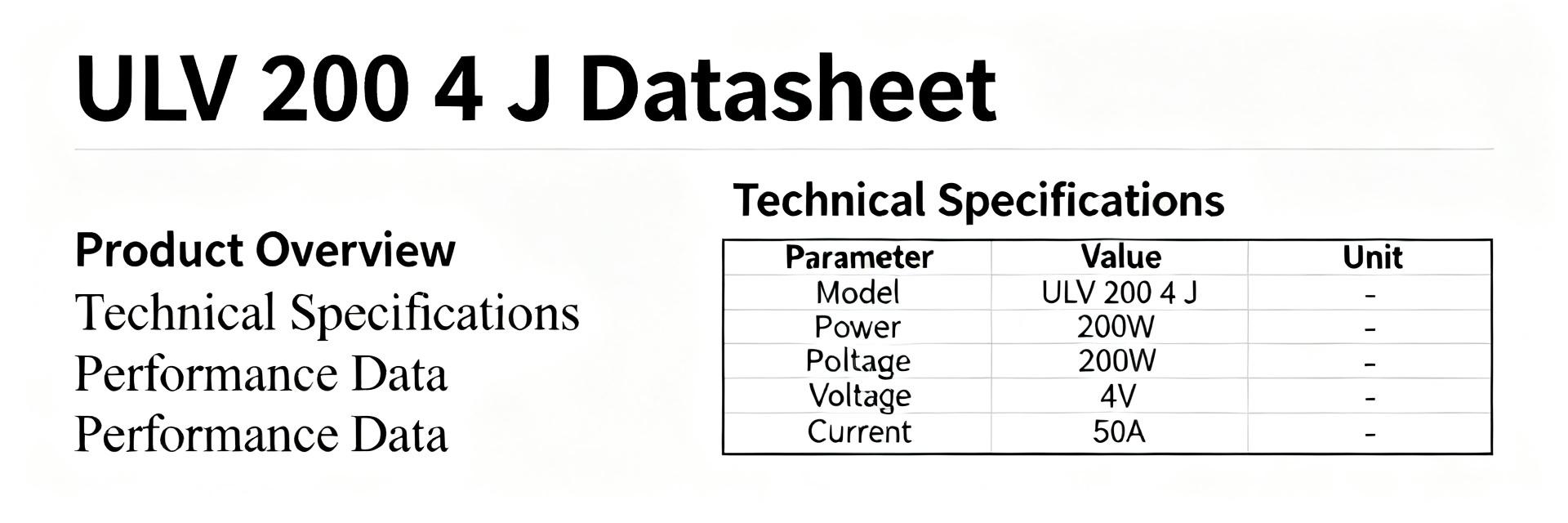
2 — A complete breakdown of the ULV 400 datasheet (by sections)
Datasheets are typically structured into sections: electrical characteristics, thermal limits, mechanical tolerances, and optical specifications. For installation, critical parameters include maximum temperature ratings, voltage surges, and mounting recommendations, all of which directly affect the module's service life.
2.1 — Electrical characteristics and operating modes
Voltage and current, start-up characteristics, and ripple are key electrical parameters. Tolerances and temperature corrections specify requirements for drivers and control systems to prevent premature LED degradation and color shift.
2.2 — Mechanics, Cooling, and Thermal Data
Dimensions, weight, mounting methods, and recommended thermal pads for the package form the basis of proper installation. Thermal power dissipation and allowable temperature gradients determine the need for a heat sink and the direction of heat transfer to maintain L70/L90 performance at the specified level.
3 — Optical and Quality Signals: What Is Critical for FL 1500
Optical parameters directly affect the perception of illumination: luminous flux, distribution, and color rendering ensure the required visual task. For FL 1500, beam characteristics, uniformity, and controlled light loss during optical installation are crucial.
3.1 — Optical Parameters (if applicable)
Lm/W and luminous flux, beam directionality, and spot uniformity are key factors in lighting design. Color rendering and light color temperature stability are important when selecting a spectrum for retail and exhibition spaces that require accurate color reproduction.
3.2 — Electrical Quality: THD, flicker, interference, and flicker
Harmonic levels, flicker, and flicker index determine comfort and compliance with standards. For FL 1500, the power supply and driver stabilization significantly affect flicker and electrical interference—these characteristics should be verified during acceptance testing.
4 — Comparison of ULV 400 and FL 1500 requirements: compliance table
The compliance table shows where the ULV 400 meets the FL 1500 requirements and where additional tolerances or mechanical adapters are needed. Often, mounting hardware, a heatsink, and extra gaskets must be considered to ensure proper operation.
| Parameter | ULV 400 value | FL 1500 requirement | Risk / Comment |
|---|---|---|---|
| Max. power | 40W | ≤ 45W | Compatible |
| Thermal resistance | 15 K/W | < 20 K/W | Heatsink required |
| Dimensions (LxW) | 100x50 mm | 100x50 mm | Direct mounting |
| Color temperature | 4000K ± 100K | 3000K-5000K | Within tolerance |
4.1 — Comparative analysis of key parameters
The table shows: parameter — value in ULV 400 — requirement in FL 1500 — risk/commentary. This helps quickly assess which components require adaptation and which are fully compatible with standard configuration.
4.2 — Boundary cases and permissible modifications
What should be done if one of the values does not match: adapters, stabilizers, thermal mounting plates, and package modifications are standard solutions. Operational risks are associated with exceeding thermal limits and distortion of light distribution.
5 — Practical verification: Testing protocols during integration into FL 1500 (case-based)
Preparation includes reviewing documentation, necessary tools, safety measures, and inspection steps. The sequence of connections, temperature checks, and no-load measurements constitute a standard checklist prior to commissioning.
5.1 — Step-by-step installation and initial measurements procedure
Preparation: review of documentation, inspection of mounting hardware, and measurements under no-load and loaded conditions. The measurement protocol template includes measurements of luminous flux, distribution, and radiator surface temperature.
5.2 — Examples of results and their interpretation
Standard graphs/tables (temperature vs. time, current/voltage, luminous flux) enable assessment of nominal values and defects; recommendations for further actions and decision thresholds are specified in the acceptance protocol.
6 — Recommendations for Selection, Acceptance, and Operation (Checklist)
The pre-purchase and batch acceptance checklist includes descriptions of datasheet entries, delivery documents, and test samples. Key inspection points are visual inspection, electrical testing, and thermal stress tests under load.
6.1 — Pre-Purchase and Batch Acceptance Checklist
Mandatory datasheet entries, package contents, factory test reports, and required laboratory test samples. These control points simplify the acceptance process and reduce the risk of returns or on-site rework.
6.2 — Operation and Monitoring Plan
Recommended inspection intervals, monitoring parameters (case temperature, currents, luminous flux), and simple preventive measures. The maintenance program reduces degradation and extends the L70/L90 compliance period.
Conclusion
- The ULV 400 serves as a critical module for the proper operation of the FL 1500: its electrical, thermal, and optical characteristics directly determine the luminaire's overall efficiency and stability.
- Practical integration requires verification of mounting, heat dissipation, and driver quality; testing protocols ensure predictable results and minimize the risk of damage.
- Decision summary: combining laboratory measurements with review of the technical datasheet allows for a quick assessment of suitability.ULV 400 100 J FL=1500and identify necessary modifications before commissioning.
Frequently Asked Questions
DoesULV 400 100 J FL=1500affect the service life of the luminaire?
Yes, the quality of the ULV 400 is determined by its thermal characteristics and current stability. With proper integration and adherence to the recommended thermal tolerances, the module should not degrade the service life of the FL 1500; however, violations may lead to accelerated LED degradation.
What are the key parameters in the ULV 400 datasheet that should be checked upon receipt?
First and foremost—maximum power and thermal limits, current/voltage characteristics, luminous flux and color rendering, as well as mechanical tolerances and installation conditions. These parameters determine compatibility with the FL 1500 housing.
What simple tests can be performed on-site to verify compatibility?
Measure current and voltage under load, check the heatsink temperature after 30–60 minutes of operation, and record luminous flux and distribution readings. Comparing these results with the datasheet values will allow you to accept or reject the batch.
What should you do if one of the values does not meet the FL 1500 requirements?
Use adapters, stabilizers, thermal mounting plates, or housing modifications. Operational risks include exceeding thermal limits and distorting light distribution.