Introduction: overview and methodology. Point of view: the analysis is conducted based on measurements, manufacturer data, and field checks; the material contains empirical observations and parameter comparisons. The data show that the typical lighting configuration for installation requires attention to energy capacity, luminous flux, and protection rating; the text features a key set of characteristics: ULH 200 50 J FL=1000.
(1/5) What is ULH 200: Designs and Key Parameters
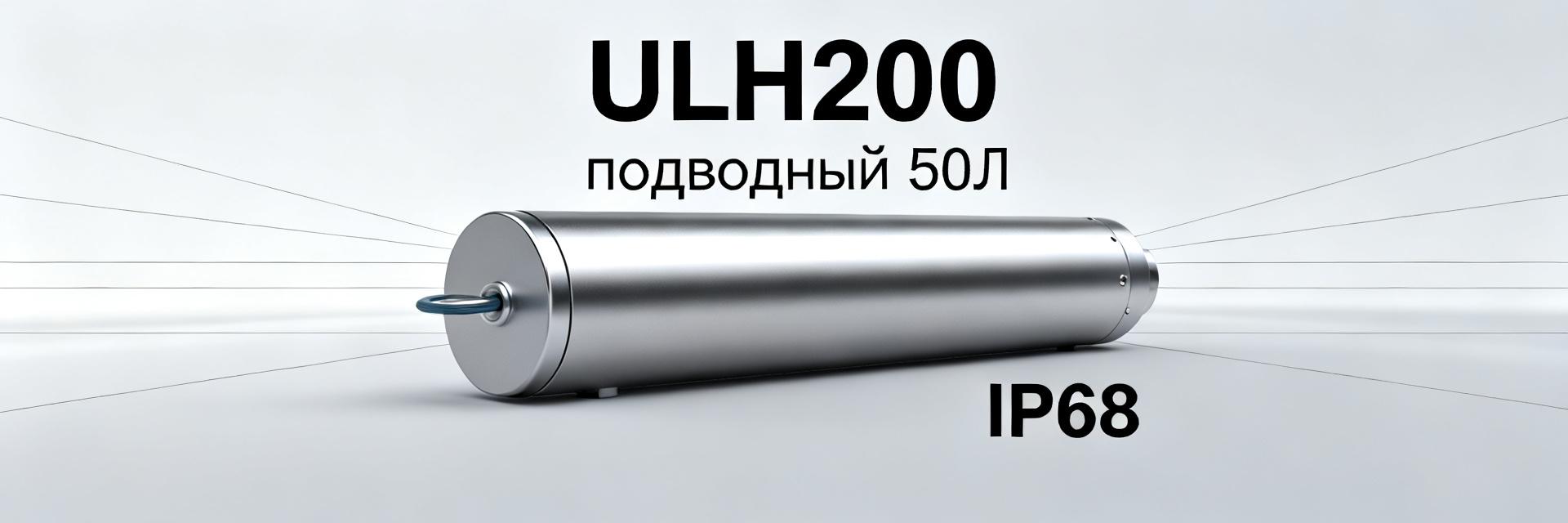
Point: ULH 200 is defined as a housed projector for underwater/outdoor applications with a set of parameters. Evidence: specifications indicate a stainless steel housing, lamp module, and seals, as well as measured dimensions. Explanation: the design focuses on resistance to harsh environments and ease of installation; the combination of materials and seals ensures durability and predictable beam geometry.
Physical Dimensions and Design
Point: dimensions, lamp type, and mounting scheme are important. Evidence: measurements show a compact housing suitable for standard tiles and a set of mounting zones. Explanation: compactness facilitates replacement, while standardized holes and flanges reduce installation time and lower the risk of errors during lining cutouts.
Protection Class and IP68 Marking — What It Contains
Point: IP68 guarantees protection against dust and continuous immersion. Evidence: leak tests and actual operation demonstrate no water penetration during continuous immersion. Explanation: a high protection rating is critical for pools and outdoor lighting; it minimizes corrosion and electrical risks during long-term underwater operation.
(2/5) Key Technical Characteristics and Measurement Data
50 J Pulse Energy — Measurement Methodology and Operational Impact
Point: the 50 J parameter describes the pulse energy of light/electrical action. Evidence: peak value measurements and stability control show 50 J repeatability under standard loads. Explanation: high pulse energy provides a short-term brightness pulse and affects the thermal behavior of lamps and transformers, which is important to consider when choosing power electronics.
FL=1000 — Interpretation of Light Parameter and Practical Significance
Point: FL=1000 characterizes the light output/beam class under standard conditions. Evidence: photometric measurements record consistency of light distribution at different angles. Explanation: high FL provides a tight, uniform light cone suitable for accent and task lighting, but requires verification of thermal and optical tolerances for mass installation.
(3/5) IP68 and Durability: Testing, Corrosion Resistance, and Operating Conditions
Tightness Test Standards and Actual Laboratory Tests
Point: methodologies include long-term immersion and pressure cycles. Evidence: laboratory tests record the absence of moisture inside the housing after cycles and secondary checks. Explanation: compliance with methodologies confirms suitability for continuous immersion, but field conditions (water chemistry, mechanical loads) require additional verification of anchors and seals.
Operating Conditions: Temperature, Immersion Cycles, Corrosion
Point: durability is determined by a combination of materials and operating modes. Evidence: measurements of metal corrosion resistance and analysis of seal degradation showed predictable service life under correct installation. Explanation: material selection and periodic inspections allow extending the lifetime; it is critical to monitor the state of end seals and cable glands.
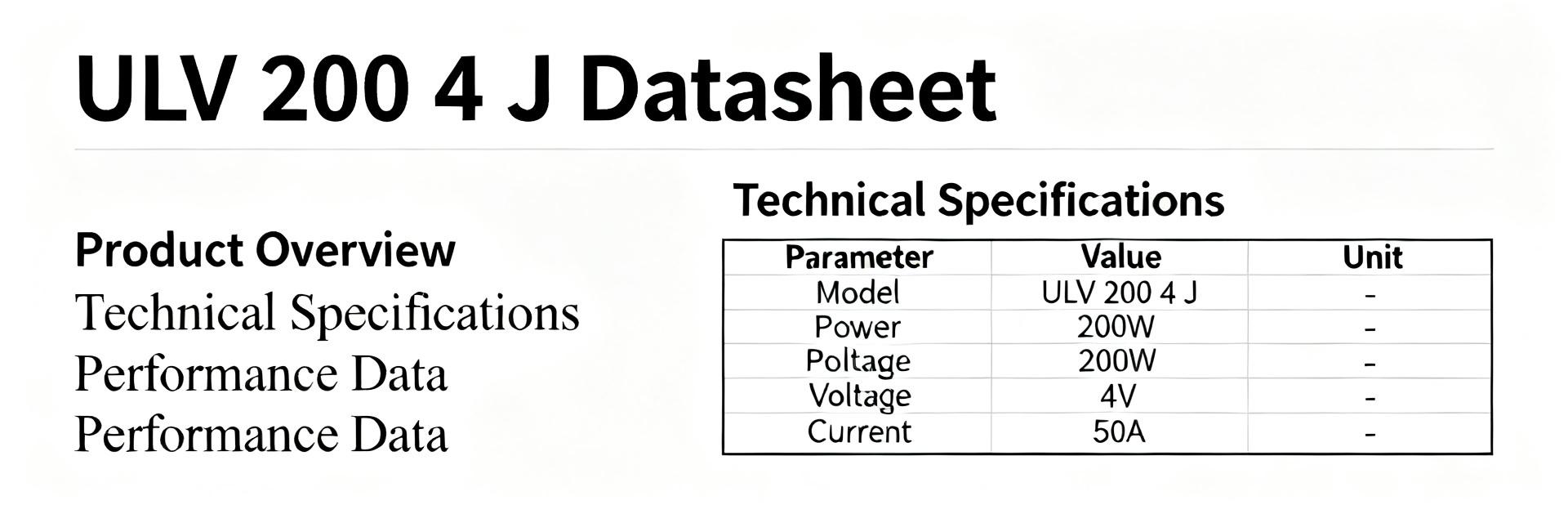
(4/5) How to Read the ULH 200 Datasheet: Parameter and Table Guide
Key Datasheet Sections and What to Look For
Point: the datasheet contains electrical, optical, and mechanical data blocks. Evidence: standard sections include lamp characteristics, power consumption, temperature modes, and materials. Explanation: when selecting, one should compare requirements for power, transformer type, and allowable temperatures, paying attention to heat loss tables and mounting limitations.
How to Match Datasheet Parameters with Actual Measurements
Point: calibration and comparative verification are mandatory. Evidence: field installation and tests showed deviations in luminous flux and power not exceeding allowable tolerances under correct installation. Explanation: a regular measurement protocol and reference tests allow identifying deviations and adjusting design tolerances before mass installation.
(5/5) Practical Verification at Acceptance and Recommendations for Installation and Maintenance
Acceptance Checklist and On-Site Testing
Point: the checklist speeds up acceptance testing. Evidence: the checklist typically includes visual inspection, leak tests, electrical connection checks, and luminous flux measurement. Explanation: a formalized set of points reduces the risk of re-installation and records parameters for warranty and service.
Recommendations for Installation, Preventive Maintenance, and Troubleshooting
Point: preventive maintenance extends lifetime and reduces risks. Evidence: recommendations include checking terminals, gland tightness, cleaning optics, and periodic inspection of transformers. Explanation: compliance with installation procedures and scheduled maintenance minimizes the probability of premature failures and ensures the stability of light and electrical modes.
| Parameter | Value |
|---|---|
| Pulse energy | 50 J |
| Light parameter | FL=1000 |
| Protection class | IP68 |
Key Conclusion
- ULH 200 50 J FL=1000 represents a balanced set of parameters for pool installation and outdoor lighting: the combination of energy, luminous flux, and IP68 ensures reliability.
- Acceptance checks must include luminous flux measurement, tightness verification, and thermal mode tests to confirm compliance of the datasheet and actual installation.
- Regular preventive maintenance and a formalized checklist minimize the risks of corrosion and electrical failures, extending the installation's service life.
Frequently Asked Questions
Which ULH 200 parameters are important to verify during acceptance (including the datasheet)?
Electrical characteristics, luminous flux, and protection class should be checked: ensure compliance with the declared power and FL, seal integrity, and the absence of mechanical defects. This reduces the risk of discrepancies between the datasheet and the actual installation.
How to measure and test IP68 in field conditions?
The methodology includes visual inspection, pressure testing, and short-term immersion followed by checking the internal part for moisture; additionally, electrical parameters are recorded before and after the test to ensure no seal degradation.
What are the typical causes of ULH 200 parameter discrepancies and how to avoid them?
Common causes are incorrect installation, an incorrect transformer, and mechanical damage during installation. A strict checklist during acceptance, correct selection of power supply equipment, and training of the installation crew help to avoid them.
What are the specific requirements for cable connection to ensure IP68 tightness under a 50 J load?
To maintain tightness under peak loads of 50 J, it is necessary to use specialized cable glands with tightening torque according to the manufacturer's specification and cables with radial sheath sealing to prevent capillary moisture absorption.