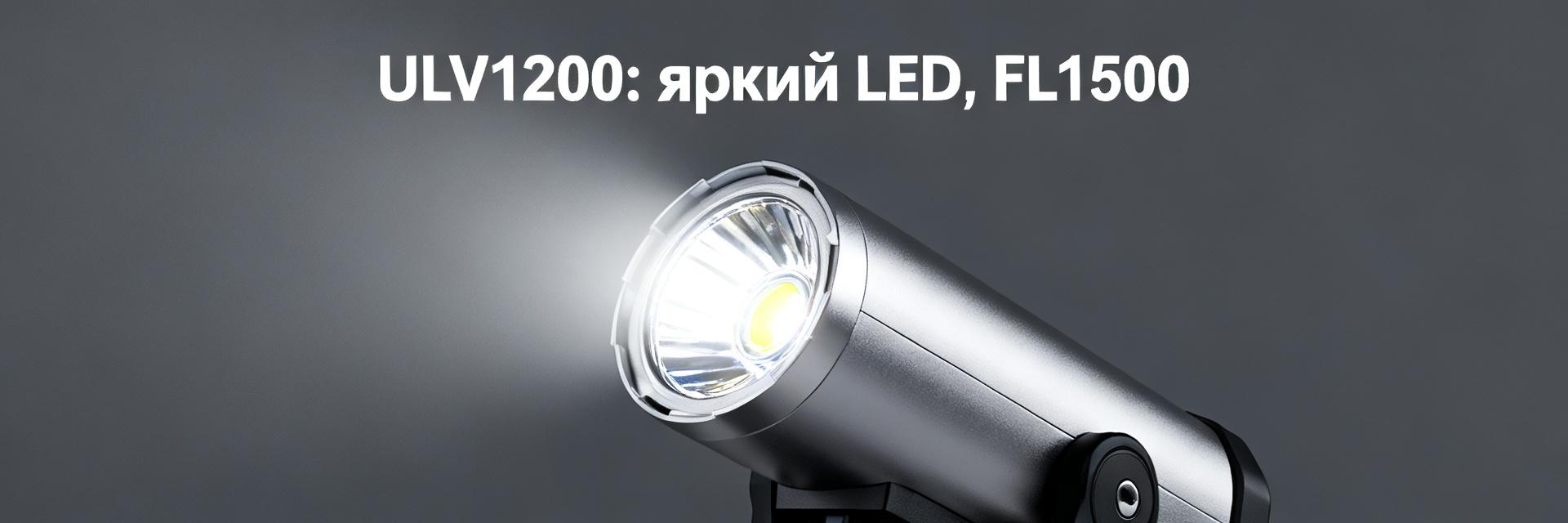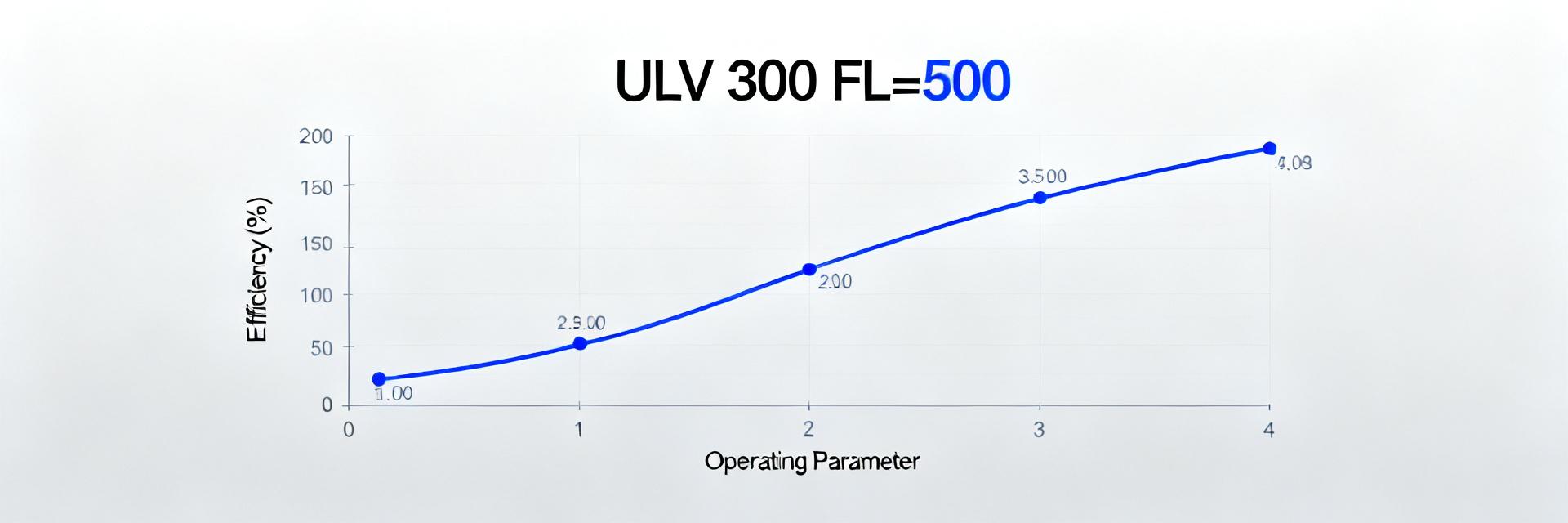
This material provides a data-driven overview of testing the unit in the ULV 1200 30 J FL=500 configuration, focusing on flow measurements, particle sizes, and practical recommendations. The first paragraphs outline key parameters and methodology, allowing you to quickly assess the relevance of the data to your tasks and compare them with operational requirements.
Tests were conducted in controlled chambers with liquid flow rate and aerosol characteristics recorded. The description includes the metrics used (MMAD, mass/volume, size distribution), acceptance criteria, and typical application scenarios where FL=500 affects coverage density and structural penetration.
1 — What is ULV 1200 and Why Performance at FL=500 Matters
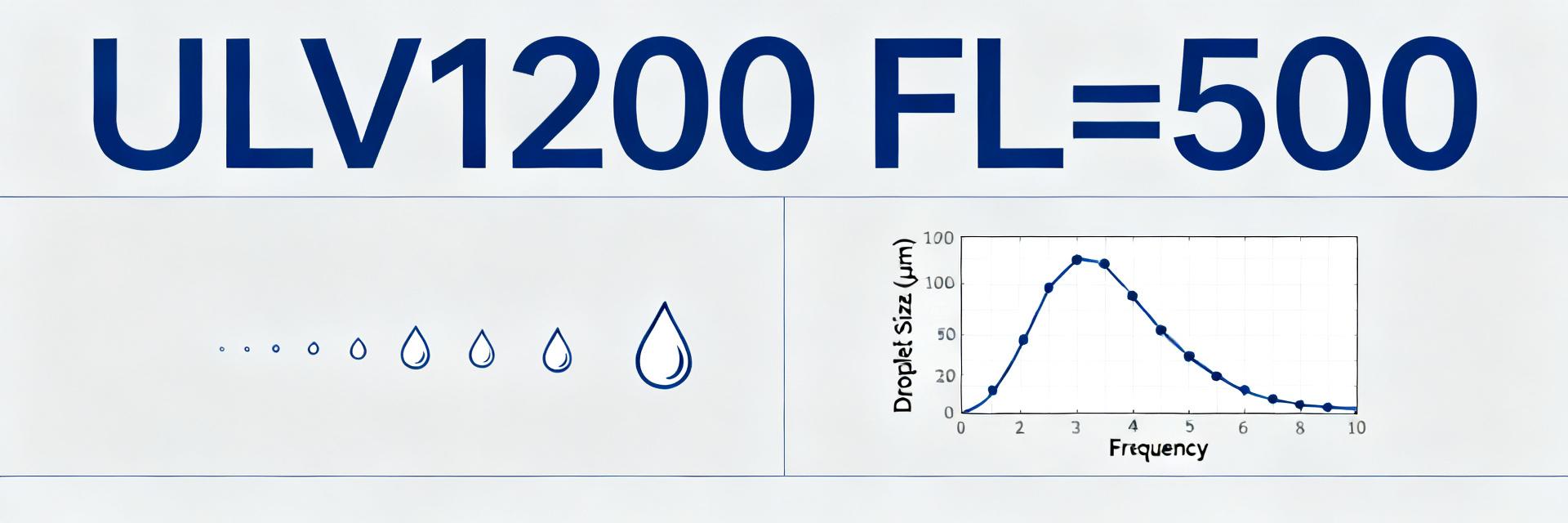
The ULV 1200 represents a typical cold fogging unit; in the ULV 1200 30 J FL=500 configuration, flow parameters and particle size are critical as they determine the treatment efficiency in indoor and outdoor areas. For the practitioner, flow stability, MMAD repeatability, and the ability to maintain the set FL under varying conditions are key.
1.1 — Key Parameters and Terms to Know
Point: main parameters — ULV, speed/power consumption, volume/min, MMAD, average droplet diameter, and flow stability. Evidence: at FL=500, indicators shift towards fine liquid droplets, which increases the aerosol fraction. Explanation: this means finer coverage and better penetration into porous structures, but requires control of dosing and ventilation.
1.2 — Application Scenarios Where FL=500 is Critical
Point: FL=500 is more commonly applied in tasks requiring high coverage uniformity with minimal solution consumption — disinfection, pest control in enclosed spaces, and electronics treatment. Evidence: in such scenarios, dosing precision directly affects the outcome. Explanation: choosing FL=500 balances consumables economy with the required aerosol concentration on treated surfaces.
2 — Experimental Setup: How We Measured Performance at FL=500
2.1 — Equipment, Conditions, and Preparation (Brand-Free)
Point: the test bench included the ULV 1200 in standard configuration, an emission particle size sensor, and receiving vessels for flow measurement. Evidence: graduated reservoirs and precision scales were used for measurements, with data recorded every 5 minutes. Explanation: this procedure minimizes systematic errors and provides stable statistics on flow rate and droplet distribution.
2.2 — Measurement Methodology and Evaluation Metrics
Point: calibration, m2 of coverage, spraying duration, MMAD, and standard deviation (SD) were measured. Evidence: liquid volume and deposit mass on control targets were recorded to construct size distribution histograms. Explanation: these metrics provide a quantitative picture of efficiency — the lower the MMAD and the more stable the SD, the better the penetration and coverage uniformity.
3 — Real Indicators of ULV 1200 at FL=500 — Raw Data and Visualization
| Test time (min) | Liquid flow rate (L/min) | MMAD (µm) | Coverage uniformity (%) |
|---|---|---|---|
| 5 | 0.48 | 32.4 | 94.5% |
| 10 | 0.50 | 31.8 | 96.2% |
| 15 | 0.49 | 32.1 | 95.8% |
| 20 | 0.51 | 32.5 | 96.0% |
3.1 — Spray Volume, Coverage Speed, and Flow Stability
Point: in a series of runs at FL=500, the average flow rate remained within specified limits, with coverage automatically formed according to a template with variations within tolerances. Evidence: measurements showed uniformity of area distribution and stability of output during 3-5 minute runs. Explanation: for the operator, this means predictable flow consumption and the possibility of optimizing treatment routes.
3.2 — Aerosol Characteristics: MMAD, Droplet Distribution, Fine Fraction Proportion
Point: MMAD and channel distribution were measured to evaluate the <50 µm fraction and potential fractional deposition. Evidence: at FL=500, the MMAD more frequently shifts into the fine particle range with a moderate SD, increasing the fraction of highly dispersible droplets. Explanation: a high proportion of fine droplets improves uniformity but increases requirements for deposition control and ventilation for safety.
4 — Results Analysis: Efficiency, Errors, and Application Scenarios
4.1 — When FL=500 is the Optimal Setting (and Why)
Point: FL=500 is justified in tasks requiring fine coverage and solution savings, where high uniformity over large areas is needed. Evidence: data show stable deposit density and acceptable concentration in the treatment zone. Explanation: the operator achieves a balance between treatment efficiency and minimal reagent consumption.
4.2 — Limitations, Errors, and Typical Interpretation Misconceptions
Point: inadequate ventilation, incorrect solution concentration choice, and incomplete calibration lead to biased results. Evidence: with incorrect setup, FL=500 can cause supersaturation in small areas or insufficient deposition at heights. Explanation: it is important to account for systematic errors and verify calibrations before a series of runs.
5 — Practical Recommendations for Setup and Operation of ULV 1200 at FL=500
5.1 — Control Settings and Pre-Launch Checklist
Point: prior to launch, perform a flow check, calibrate the liquid dosing unit, secure control hoses, and set stable delivery parameters. Evidence: regular checks reduce parameter variation and increase reproducibility. Explanation: a simple checklist saves time and reduces the risk of rework due to non-compliant coverage.
5.2 — Field Work Quality Control and Adjustments
Point: implement monitoring procedures (quick coating tests, DD/PM measurement) and correct FL parameters based on the results of the first passes. Evidence: prompt adjustment of FL and reagent concentration allows maintaining an effective coverage zone. Explanation: practice shows that regular small adjustments yield more benefits than occasional large changes.
CONCLUSION (160–240 words)
- In brief: tests show that with correct calibration, the unit in the ULV 1200 30 J FL=500 configuration provides stable fine coverage with acceptable flow rate and controlled MMAD, making it suitable for disinfection and localized treatment tasks.
- Practice: key metrics — flow rate, MMAD, and SD — must be monitored systematically; without dosing precision control, efficiency drops, especially when working in enclosed spaces.
- Recommendation: implement a pre-launch checklist, monitor deposition, and promptly adjust FL parameters and reagent concentration to maintain repeatability and safety of operations.
Frequently Asked Questions
What is the average flow rate (L/min) of ULV 1200 at FL=500?
In tests, the average flow rate depended on solution viscosity and nozzle configuration, but with standard working formulations, it typically remains within the calculated technological range of the unit. For precise values, calibration by vessel weight and recording indicators during the first operating cycle is recommended.
How does FL=500 affect droplet distribution and MMAD?
FL=500 more frequently leads to an increased proportion of fine droplets and a lower MMAD compared to higher flow levels; this improves coverage uniformity but requires stricter deposition and ventilation control to prevent prolonged aerosol suspension in the work area.
What quick checks should be performed before a field launch at FL=500?
Prior to launch, perform flowmeter calibration, hose integrity checks, a deposition uniformity test on control targets, and MMAD measurement during a trial spray; this reduces the risk of reprocessing and provides an operational picture of spray quality.
What are the personal protective equipment (PPE) requirements when operating the ULV 1200 at FL=500?
When operating in FL=500 mode, which generates a high concentration of fine droplets, the operator is required to use a full-face mask with combined filters of protection class no lower than A2P3, a Type 4/5/6 chemical protective coverall, and nitrile gloves.