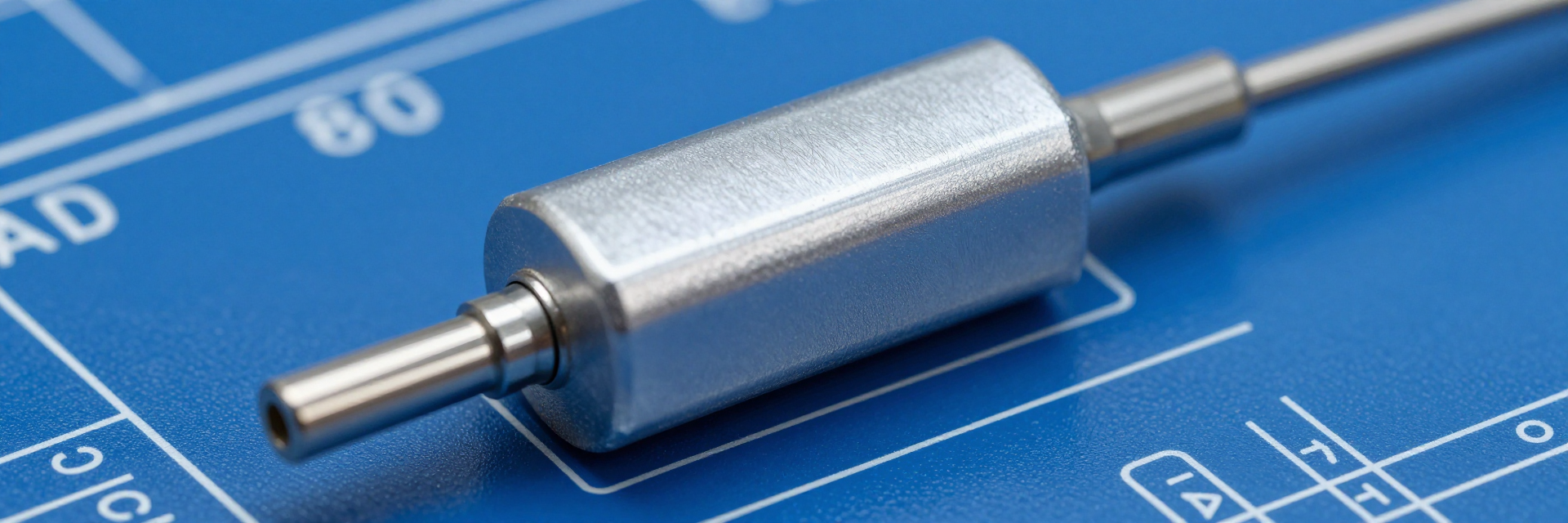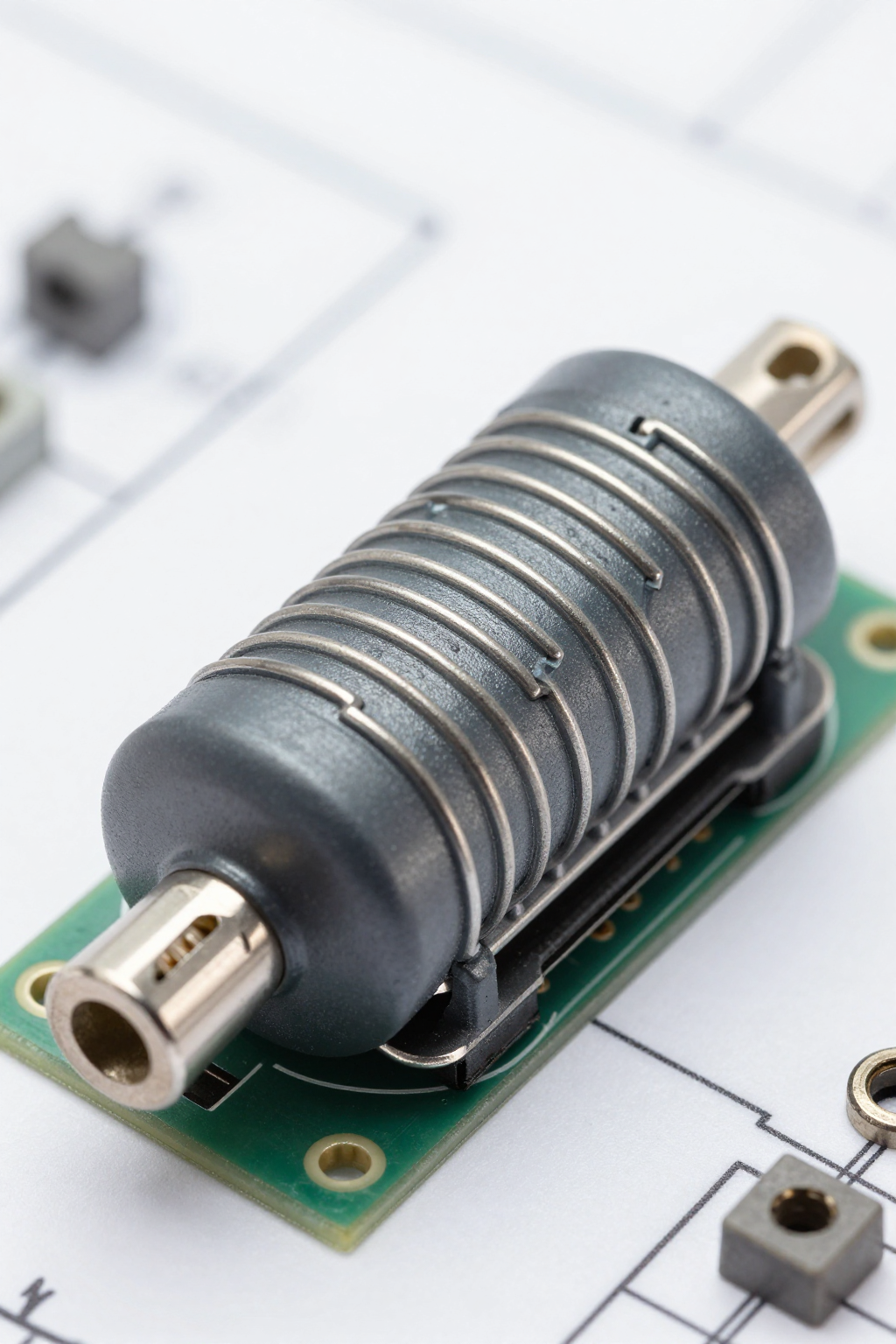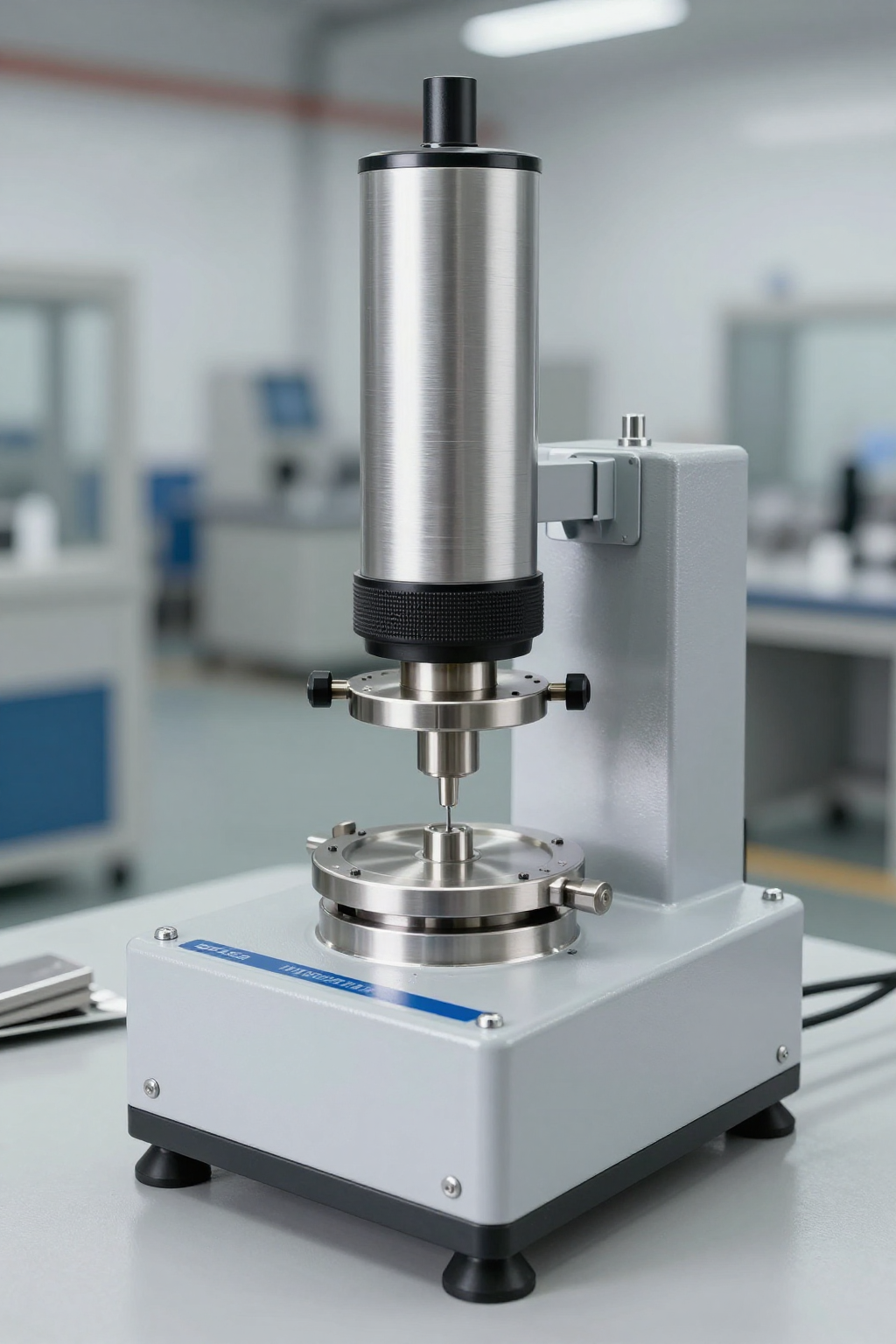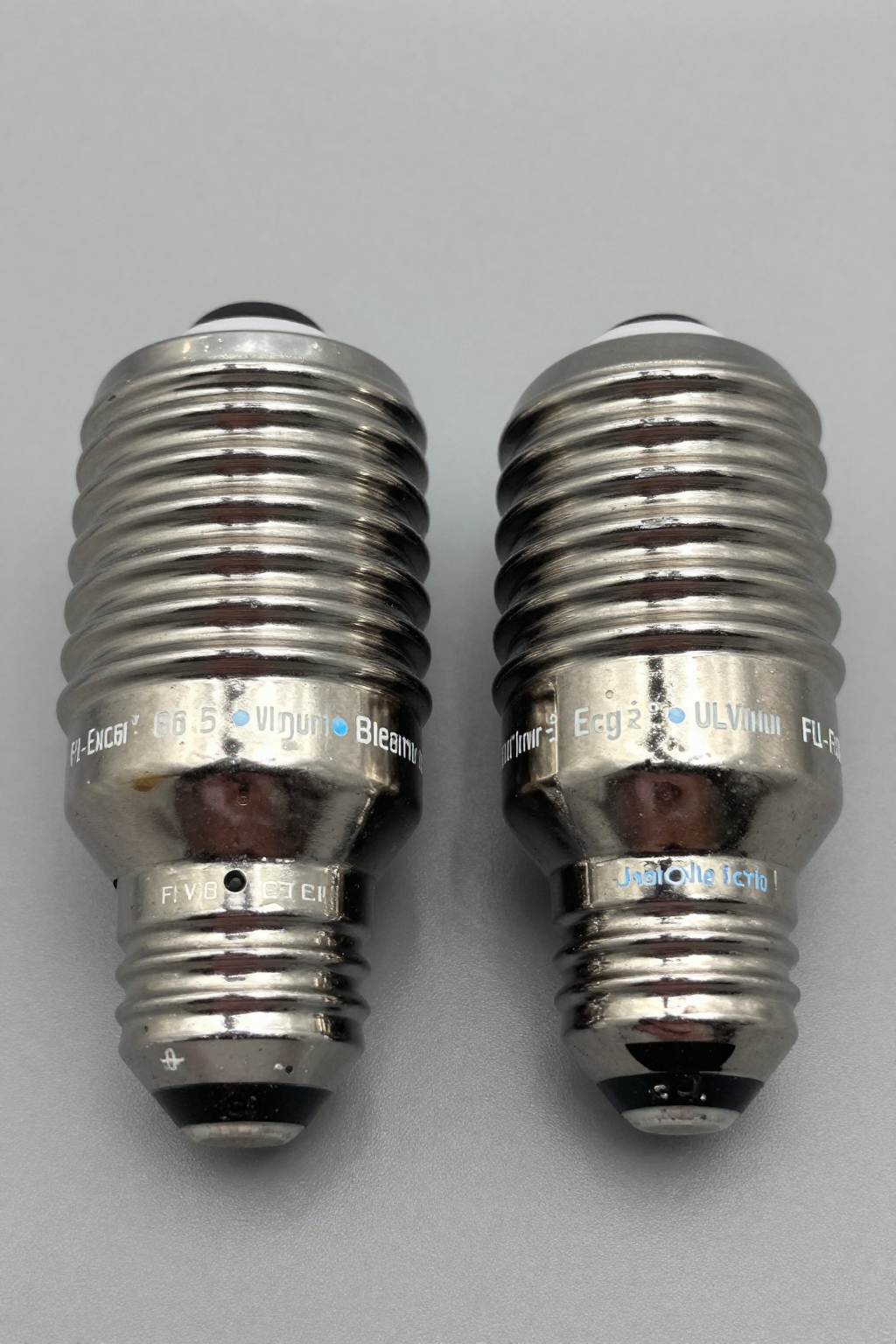
In modern industrial systems, where positioning accuracy and component durability are critical, selecting the right type of lubricant or assembly specification determines the efficiency of the entire system.ULV 400 25 Jis a solution for high-precision applications; however, its technical specifications often fall outside standard catalogs.
This article provides a comprehensive guide to the parametersULV 400 25 J, analyzing how this component addresses wear and inaccuracy issues under demanding operating conditions.
Key Technical Parameters of ULV 400 25 J

Decoding the marking and basic properties
When selecting a component from the ULV series, it is important to understand the structure of the designation «ULV 400 25 J». The index «400» usually indicates the nominal load or viscosity, while «25» may refer to the temperature range or accuracy class. The letter index «J» often signifies the presence of seals or special coatings that protect against aggressive environments.
Data from current year's datasheets highlight differences from previous versions: improved lubricant layer stability under peak loads reduces the risk of galling. You should pay attention to dimensional tolerances, which have been tightened in new batches to ensure compatibility with precision mechanisms.
Operating temperature and load range
Material behavior analysis shows stability across a range from -40°C to +150°C. At extreme temperatures, performance depends on proper integration of the cooling system. Efficiency-versus-load graphs demonstrate a linear increase in wear resistance until limit values are reached.
Overheating or property degradation points lie above nominal parameters, providing engineers with a safety margin. Understanding these operational safety limits helps prevent premature equipment failure even under unstable power supply or vibration conditions.
Comparative analysis with ULV series counterparts
Differences from the ULV 200 and ULV 500 models
ULV 400 25 Jrepresents a "golden mean" between the budget solutions of the 200 series and the heavy industrial versions of the 500 series. While the ULV 200 is optimized for light-duty cycles, the 500 series requires complex maintenance and expensive installation.
| Characteristic | ULV 200 | ULV 400 25 J | ULV 500 |
|---|---|---|---|
| Service life (hours) | Low | Medium/High | Maximum |
| Total cost of ownership | Minimum | Optimal | High |
| Versatility | Limited | Wide | Specialized |
For most automated production lines, the balance between price and quality favors the 400 series models, providing sufficient reliability without excessive costs.
Compatibility with ISO and DIN Standards
The component complies with international ISO and DIN quality standards, as confirmed by relevant certificates. This is critically important for export-oriented equipment, where rigorous supplier audits are required.
Compliance with standards ensures that mounting dimensions and permissible clearances will not be a surprise during assembly. You can be confident in interchangeability with original parts from European manufacturers, simplifying spare parts logistics.
Practical Applications
Use in Robotics and Automation
In servo drives and precision mechanisms of robotics, the characteristicsULV 400 25 Jreduce backlash and improve cycle repeatability. Minimizing friction ensures smooth movement of manipulators, directly impacting the quality of assembling microchips or jewelry.
The recommended maintenance interval for heavy-duty lines is 6–12 months, depending on usage intensity. Regular inspection of lubricant condition prevents the accumulation of wear debris that could impair the operation of position sensors.
Applications in Power Equipment
The specific requirements for use in turbines and generators demand resistance to vibrational loads and chemical stability of the environment. The component demonstrates high efficiency in cooling systems, where pressure and temperature fluctuations create extreme conditions.
Examples of successful integration demonstrate a 15% reduction in energy consumption due to decreased mechanical losses. In infrastructure projects, this helps extend time between maintenance periods, reducing downtime at critical energy facilities.
Selection and Replacement Guide
Pre-Purchase Checklist: What to Look for in the Datasheet
Before purchasing, verify the "Rated Dynamic Load Rating" and "Yield Strength" fields. These data are critical for calculating service life. Ensure that the batch has a certificate of origin confirming compliance with the stated specifications.
Batch verification without laboratory analysis is possible through visual inspection of the packaging for integrity and manufacturer labeling. Refer to the latest updated list of approved suppliers to avoid counterfeit products.
Typical installation and operation errors
A common issue is improper lubricant application, leading to hydrodynamic shock or an insufficient lubrication layer. Cleaning of contact surfaces should be performed only with recommended solvents to avoid damaging ULV-class protective coatings.
Avoid over-tightening fasteners, as this can deform the housings and distort the raceway geometry. Following the installation instructions is key to preventing premature failure.
Key Takeaways
- ULV 400 25 Joptimally balances cost and service life for medium industrial loads.
- The technical specifications ensure stability across a wide temperature range (-40...+150°C).
- Compliance with ISO/DIN standards guarantees compatibility and ease of auditing.
- Proper installation and regular maintenance maximize the component's service life.
Frequently Asked Questions
What are the key technical specifications that distinguishULV 400 25 J?
The key distinction lies in the balance between load capacity and rotational speed. This model can handle higher loads compared to the 200 series, yet it does not require the same level of complex preparation as the 500 series. An important parameter is its low coefficient of friction, which remains consistent throughout its service life.
Where is the application most effective?ULV 400 25 J?
Most effective in robotics, CNC machines, and medium-class power plants. It is ideally suited for tasks requiring high positioning accuracy and moderate cycle rates, where it is economically feasible to avoid excessive strength margins.
How can you verify the authenticity of ULV series components when purchasing?
Require suppliers to provide documentation confirming product origin and compliance with current revisions of technical specifications. Check holograms or unique serial numbers on the packaging, cross-referencing them with manufacturers' registries. Avoid purchasing through unauthorized intermediaries.
What is the recommended maintenance interval forULV 400 25 J?
In heavy-duty applications, the recommended interval is 6–12 months, depending on usage intensity. Regular inspection of lubricant condition prevents the accumulation of wear debris.